Looking for Plasterboard and Drywall services Taree? You’re likely dealing with a cracked wall, a sagging ceiling, or a renovation that needs finishing properly.
You want the same thing everyone wants. Straight walls. Clean corners. A finish that still looks good in five years.
Here’s the catch. Plasterboard work looks easy. Anyone can screw a sheet to a wall. Very few people can set the joints so they vanish under paint.
That gap between “installed” and “finished well” is where most renovation regret starts.
This guide covers what the work involves, what it costs, and how to pick the right tradesperson.
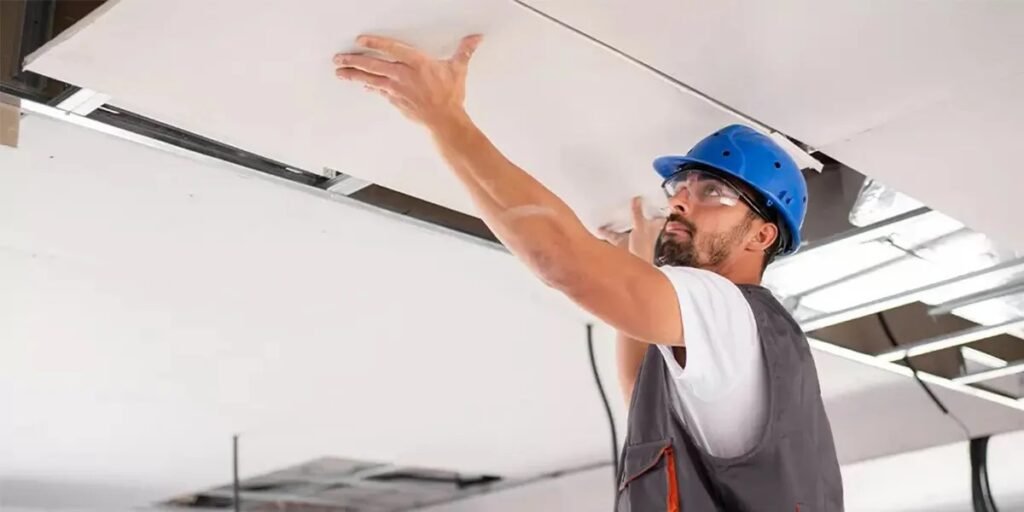
What Plasterboard and Drywall Work Involves
Plasterboard, drywall, gyprock: what’s the difference?
Almost nothing. And the mix-up wastes people’s time when they compare quotes.
Plasterboard is the Australian word. It’s a sheet with a gypsum core wrapped in thick paper.
Drywall is the American word for the same thing.
Gyprock is a brand name. It’s so common here that people use it for any brand, like Esky or Band-Aid. A gyprock wall is just a plasterboard wall.
So one company may advertise gypsum boarding Taree. Another may offer Plasterboard and Drywall Services Taree installation. They do the same job. Compare the scope and finish, not the words.
Where it gets used
Plasterboard covers the internal walls and ceilings in most Australian homes built since the 1960s.
Different rooms need different sheets:
- Standard sheets for bedrooms, lounges and hallways
- Water-resistant sheets for bathrooms, laundries and kitchen splashbacks
- Fire-rated sheets for garage walls and shared duplex walls
- Acoustic sheets for home offices, media rooms and bedrooms near busy roads
Using the wrong sheet in a wet area is a common shortcut. You won’t see the damage for two years. Then you’ll see all of it at once.
Signs Your Home Needs Plasterboard Work
Some problems are cosmetic. Others are warnings.
Small cracks at door and window corners are usually normal. They patch easily.
Cracks along the joint lines mean the setting was rushed or the wrong tape was used.
Nail pops are small round bumps under the paint. They mean the sheet wasn’t pulled tight to the frame.
Sagging or stained ceilings need urgent attention. A wet plasterboard ceiling can fall without warning. And the water is coming from somewhere.
Soft walls near wet areas mean water is in the core. That sheet needs replacing, not patching.
Seeing either of the last two? Don’t wait. An inspection now costs far less than a new ceiling later. Send us a photo and we’ll tell you straight.
The Installation Process, Step by Step
Knowing the order helps you judge whether a quote is realistic.
1. Measure and set out
The installer plans the sheet layout first. The goal is fewer joints. Every joint can crack later.
Good planners run sheets across long walls. They also keep joints away from door corners.
2. Check the frame
Sheets are only as straight as what sits behind them. Timber studs twist as they dry.
A good installer packs, planes or replaces anything out of line first. Many skip this step. It’s the main reason walls end up wavy.
3. Fix the sheets
Sheets are screwed to the frame, often with glue as well. Fixing spacing follows the maker’s rules.
Ceilings go up before walls. The wall sheets then support the ceiling edges.
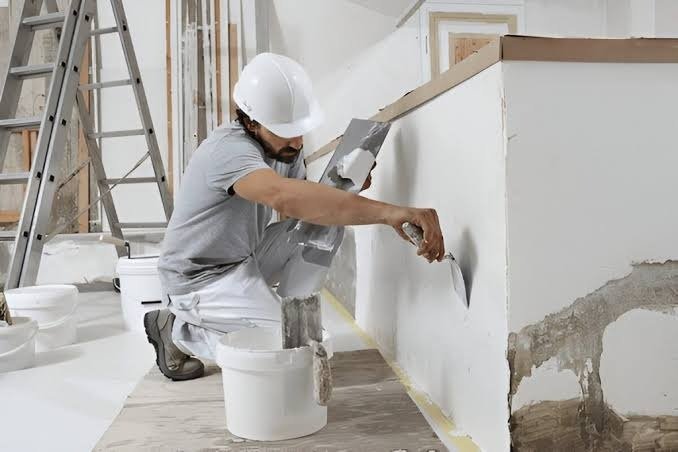
4. Tape and set the joints
Tape covers every join and internal corner. Then came several coats of compound. Each coat is wider than the last.
This is the skilled part. Australian standards run from a basic Level 3 to a Level 5 full skim coat.
Most homes get Level 4. Got big windows or downlights washing a wall? Ask for Level 5 on those surfaces.
5. Sand and prep for paint
The final sand should leave the surface ready for sealer.
Good finishers hold a work light flat against the wall to check. Your lamps will do the same thing once you move in.
What Does Plasterboard Work Cost?
Plasterboard wall cost comes down to four things. Area, ceiling height, finish level, and access.
As a rough guide in regional New South Wales:
- Supply and install, standard finish: about $50 to $80 per square metre
- Ceilings: usually 15 to 30 per cent more than walls
- Patch and repair jobs: often priced by the half-day or day
- Level 5 finish: costs more, since it adds a full coat across every surface
Cheap quotes cut corners in the same few places. Fewer coats on the joints. No frame check. Standard sheets in wet rooms. No rubbish removal.
So ask each trade two questions. What finish level are you pricing? Is the frame check included?
Their answers will sort the list fast.
Want a real number instead of a range? Book a free on-site measure and quote. You’ll get a fixed price in writing.
Plasterboard Ceilings Need Extra Care
A plasterboard ceiling is harder than a wall. Gravity works against the installer the whole time. And every flaw sits right under your lights.
Three things matter most.
Support spacing. Ceiling battens need tighter spacing than wall studs. Space them too wide and the sheets sag over time.
Sheet type. Ceiling-grade plasterboard is stiffer than wall sheet. Using wall sheet overhead saves money now and costs money later.
Cornice and edges. Your eye goes straight to where the ceiling meets the wall. Clean cornice work lifts the whole room.
Planning downlights or insulation in an older Taree home? Get the ceiling checked first. What sits above the sheet decides what you can do below it.
How to Choose the Right Team
Searching “drywall installation service near me” gives you a list. It doesn’t give you a shortlist. Here’s how to build one.
Ask for photos of painted work. Photos of hung sheets prove nothing. You want finished walls in natural light.
Check the licence and insurance. NSW residential work needs a licence above the set threshold. Every trade on site should carry public liability cover.
Get the scope in writing. Sheet type. Finish level. Cornice profile. Rubbish removal. Who patches after the electrician. Vague quotes turn into extra charges.
Ask about the timeline. Compounds need time to dry between coats. Anyone promising a whole house in two days is skipping something.
Read local reviews. Regional work spreads by word of mouth. A team working the Mid North Coast for years has a record you can check.
Why Homeowners Choose Smith Plastering & Renovations
Most people comparing Plasterboard and Drywall services Taree are weighing price against trust. Here’s what we offer.
We fix the frame before we sheet it. Every job starts with a straightness check. It costs us time. It saves you a wavy wall.
Fixed quotes. You get a written scope covering sheets, finish level, cornice and clean-up. If something truly changes, we call you first.
The right finish for each room. We’ll tell you where Level 5 is worth paying for and where it isn’t. Most companies quote one level for the whole house.
Clean sites. Plaster dust travels. We seal the area, sheet the floors, and take the offcuts with us.
Full renovation support. Sometimes the plaster job is part of a bigger issue. Old framing. Water damage. A layout that no longer works. We can handle the rest, so you’re not chasing three more trades.
Ready to move? Call the team or send your plans. We reply within one business day.
Frequently Asked Questions
How long does one room take?
A standard bedroom takes two to three days. That’s spread across visits, because each coat needs to dry. Whole-house jobs run room by room, so you keep living space free.
Can I paint straight after the plasterer leaves?
Not quite. The surface needs sealer or primer first. Paint straight onto fresh compound and the joints will show through as patches.
Should I repair an old gyprock wall or replace it?
Cracks, nail pops and holes are cheap to repair. Water damage, soft spots or mould mean replacement. Painting over a damaged sheet only hides it for a season.
Do I need to move out?
Usually not. For single rooms, we seal the work area and you carry on. For a full re-sheet, most people just move between rooms.
What’s the difference between a plasterer and a solid plasterer?
A plasterer installs and sets plasterboard. A solid plasterer applies render to brick or block. Different trade, different tools.
Do you handle insurance work?
Yes. Storm and water damage claims are common on the Mid North Coast. We work directly with your assessor.
Conclusion
Good plasterboard work is invisible. That’s the point.
Check the frame. Use the right sheets. Set the joints properly. Do those three things and you stop noticing the walls. You start noticing the room.
The big decisions happen early. Which sheet goes in the bathroom? Which finish level suits a room with strong light. Whether your tradesperson treats the frame check as optional.
Get those right and everything after that falls into place.
Thinking about Plasterboard and Drywall services Taree for a repair, a reno or a new build? We’d rather talk for five minutes about your job than send you a generic price list.
Get a free, no-obligation quote from Smith Plastering & Renovations. Visit smithplastering.com.au, tell us what you’re working with, and we’ll give you honest advice on what needs doing — and what doesn’t.